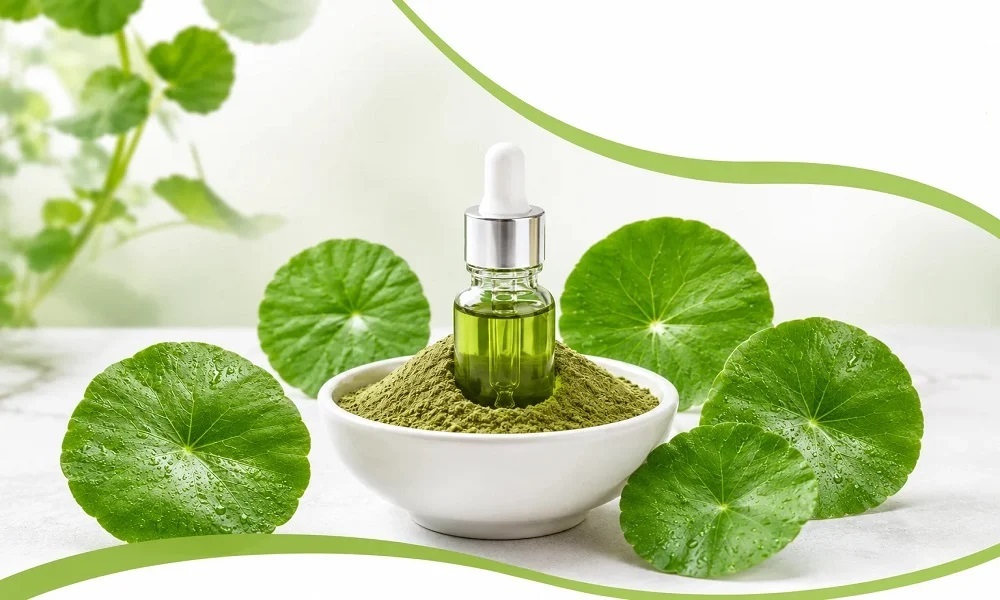
The need for botanical ingredients has experienced unprecedented growth in recent years. Ingredient lists are being studied more closely by consumers and the industry is in search of functional, marketable plant-derived products. Out of the many herbs used in today’s formulations, one of the most in demand is the centella asiatica extract.
Its popularity is not limited to one industry. Cosmetic companies add it to their skincare products, wellness providers utilise it in herbal supplements and ingredient suppliers praise it for its diverse applications. However, there is a crucial factor of centella asiatica extract that is often missed: not all centella asiatica extract is of the same quality.
Suppliers may use the same ingredient name, but the final product could be completely different in purity, consistency and functionality. This is precisely why quality is important before you even choose your supplier, before you even include centella asiatica extract in your formula. The right centella asiatica extract should be obtained from a well-sourced raw material, should be processed under regulated parameters and should have a consistent level of active compounds while remaining consistently quality-tested before reaching your hands.
Key Takeaways
- Plant quality directly affects extract quality.
- Standardised extracts offer better consistency.
- Extraction methods influence purity and performance.
- Testing helps ensure safety and reliability.
- Trusted suppliers provide better quality assurance.
- Premium centella asiatica extract performs more consistently in finished products.
What Is It?
Centella asiatica (also known as gotu kola) is a small plant that grows in parts of Asia. For centuries, the plant was known as a traditional ingredient in use in several Asian countries and today, even modern manufacturing is seeking the benefits of the plant-produced natural compounds.
Nowadays, Centella Asiatica extract is found in a wide range of products, such as skin care, cosmetics, beauty care products, nutritional products and herbs. As it has now become a commercially valuable product, it has made the manufacturers more interested in the quality and sources of raw materials.
Benefits
One reason businesses continue to invest in centella asiatica extract is its flexibility across different product categories.
For skincare manufacturers, it fits well into products designed for daily use. For wellness brands, it aligns with the increasing consumer preference for naturally derived ingredients. From a formulation perspective, it is an ingredient that can be incorporated into a variety of product types without major compatibility concerns.
Some common advantages include:
- Suitable for cosmetic formulations
- Rich in naturally occurring plant compounds
- Compatible with herbal ingredient blends
- Widely accepted in global markets
- Used across multiple industries
These benefits explain why demand for centella asiatica extract continues to rise among manufacturers worldwide.
How It Works
The quality of an extract depends largely on what happens before and during production.
It starts with cultivation. Plants grown under suitable conditions generally contain better levels of naturally occurring compounds. Harvest timing also matters. If the plant material is collected too early or too late, the final extract may not provide the same consistency.
The extraction stage is equally important. Modern production facilities use controlled processes to separate valuable plant compounds from the raw botanical material. When performed correctly, the process helps preserve the characteristics that manufacturers expect from a premium centella asiatica extract.
Another important factor is standardisation. Without standardisation, one production batch may differ from the next. For manufacturers producing products at scale, this inconsistency can create formulation challenges. Standardized centella asiatica extract helps reduce such variations and supports more reliable production outcomes.
Applications
Cosmetic Industry
Used in:
- Creams
- Lotions
- Serums
- Masks
- Beauty products
Nutraceutical Industry
Used in:
- Herbal supplements
- Wellness products
- Botanical formulations
Personal Care Industry
Found in:
- Cleansers
- Hair care products
- Toners
- Natural personal care formulations
Manufacturing Process
The production of centella asiatica extract begins with carefully selected plant material sourced from reliable growers. After harvesting at the right stage of growth, the plants are cleaned and processed to extract their beneficial compounds. The extract is then filtered to improve purity and undergoes quality testing to ensure consistency, safety, and compliance with industry standards. A well-controlled manufacturing process helps maintain the overall quality and reliability of the final extract.
Comparison Table
| Feature | High-Quality Extract | Lower-Quality Extract |
| Source Material | Carefully selected | Variable quality |
| Standardization | Consistent | Inconsistent |
| Purity | Higher | May vary |
| Testing | Comprehensive | Limited |
| Reliability | Predictable | Less consistent |
FAQs
What makes a centella asiatica extract high quality?
The quality depends on sourcing, extraction methods, standardisation, and quality control procedures.
Why is consistency important?
Manufacturers require ingredients that perform similarly across production batches.
Does supplier selection matter?
Yes. Reliable suppliers generally maintain stricter quality standards and better documentation.
Where is centella asiatica extract commonly used?
It is widely used in skincare, cosmetics, personal care products, and nutraceutical formulations.