
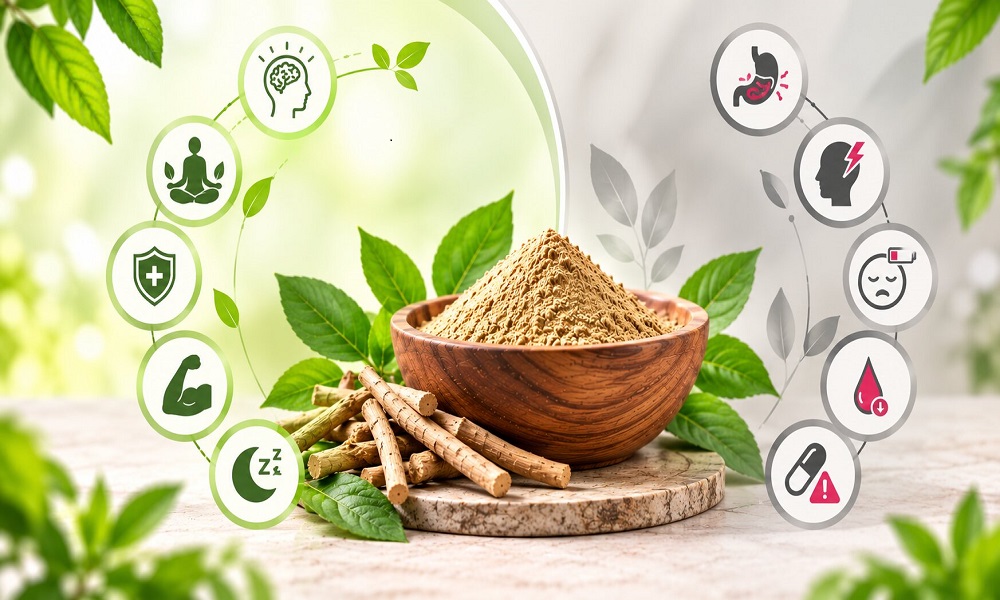
Ask an Ayurvedic coach about stress and ashwagandha in the next few minutes. Might ashwagandha be good for this? People have used the roots for hundreds of years; however, lab research has only recently emerged. An extract is a small dose of ashwagandha’s powerful compounds. Here’s what you need to know about the benefits and risks of ashwagandha, and what to consider before you buy.
What Is Ashwagandha?
A woody plant that grows in parts of arid India. To use the plant, we have already employed the medicinally active chemicals, withanolides. It is warranted as an approved “adaptogenic” herb with specific healing qualities that can help overcome the effects of the body’s stress response during the herb’s use.
Ashwagandha Benefits: What Do Research Studies Tell Us
The majority of these trials are minuscule, ranging from only eight to twelve weeks, and yet there seem to be a few constant facts that keep cropping up:
- Stress: lower cortisol and lower self-rated stress
- Sleep: falling asleep faster, waking less often
- Anxiety: mild improvement on standard questionnaires
- Strength: modest muscle gains when paired with weight training
- Focus: quicker reaction time in early trials
- Stamina: less tiredness during exercise
Harvard Health cautions that sample sizes are small and the evidence is still developing. Ashwagandha should sit alongside medical care, not replace it.
Also Read: Ashwagandha Extract: Nature’s Answer to Modern-Day Stress
Ashwagandha Benefits for Women
Women usually turn to the herb for reasons tied to daily pressure or life stage:
- Calmer mood during stressful stretches
- Better quality of sleep
- Possible relief from hot flashes and irritability around menopause, based on early trials
- Steadier energy across the day
Pregnant women should avoid it completely. If you are breastfeeding or trying to conceive, speak to your doctor first.
Why Choose an Extract?
The raw powder tastes bitter and can be challenging to measure. The concentrated extract means that the doses are small. Usually, the doses in studies are between 250 and 600 mg daily, but the dose will vary depending on the product and person.
- Powder: flexible but strong in taste and imprecise
- Capsules: pre-measured and easy to carry
- Extract: concentrated and consistent from one batch to the next
Side Effects of Ashwagandha
Most healthy adults cope well for a few weeks. The commonly reported ashwagandha side effects include:
- Drowsiness
- Upset stomach, nausea, or loose stools
- Headache or dizziness
- Rare liver injury, shown by yellow skin or eyes, dark urine, or unusual tiredness
Mild reactions usually ease once the serving is reduced. Anything that lingers needs a doctor’s attention, and signs of liver trouble call for stopping at once.
Who Should Be Careful
Check with a healthcare professional first if you:
- Are pregnant or breastfeeding
- Have a thyroid condition or autoimmune disease
- Take sedatives, thyroid medication, or immunosuppressants
- Have liver disease or surgery scheduled
Why Choose Extroil Naturals Ashwagandha Extract?
Supplement quality varies widely, so the brand behind the bottle matters. Extroil Naturals Ashwagandha Extract suits readers who want a simple product with clear information behind it:
- Made from ashwagandha root
- Easy to fit into a daily routine
- Usage directions and product details listed on the product page
Visit the Ashwagandha Extract product page to review the details and place an order.
Safe Use Tips
- Begin with the lowest suggested serving
- Follow the label and never exceed it
- Take it at the same time daily
- Note how you feel over the first few weeks
- Avoid long continuous use unless a professional agrees
- Store it cool and dry, away from children
Ashwagandha’s present in the health-and-wellness rumblings, but research can’t keep up. A no-BS evaluation will regard the possible merits of a supplement like this for stress, sleep, endurance, and extra and agree to respect the medication, being pregnant, and liver caveats. Prudent label reading, cautious dosing, and an early check-in with your doctor are prudent.
FAQs
Can ashwagandha be taken every day?
Most use it daily for several weeks, but long-term safety is unproven; always consult your doctor when used over long periods of time.
How long does it take to work?
Most people will see changes between four and eight weeks. Results will vary.
Does it interact with medicines?
Yes. There are potentially serious interactions, including with sedatives, thyroid drugs, and immunosuppressants. Ask your doctor or pharmacist for more information.
Who should avoid it?
Pregnant or Breastfeeding Women other than with your doctor’s consent: Those who have hepatic or thyroid disease.